Blog:

Spetses has a rich history, locals in the region rate this as an average destination. It is notable for playing an important part in the 1821 War of Independence and in September one will see the re enactment of a famous sea battle that took place just off the coast.
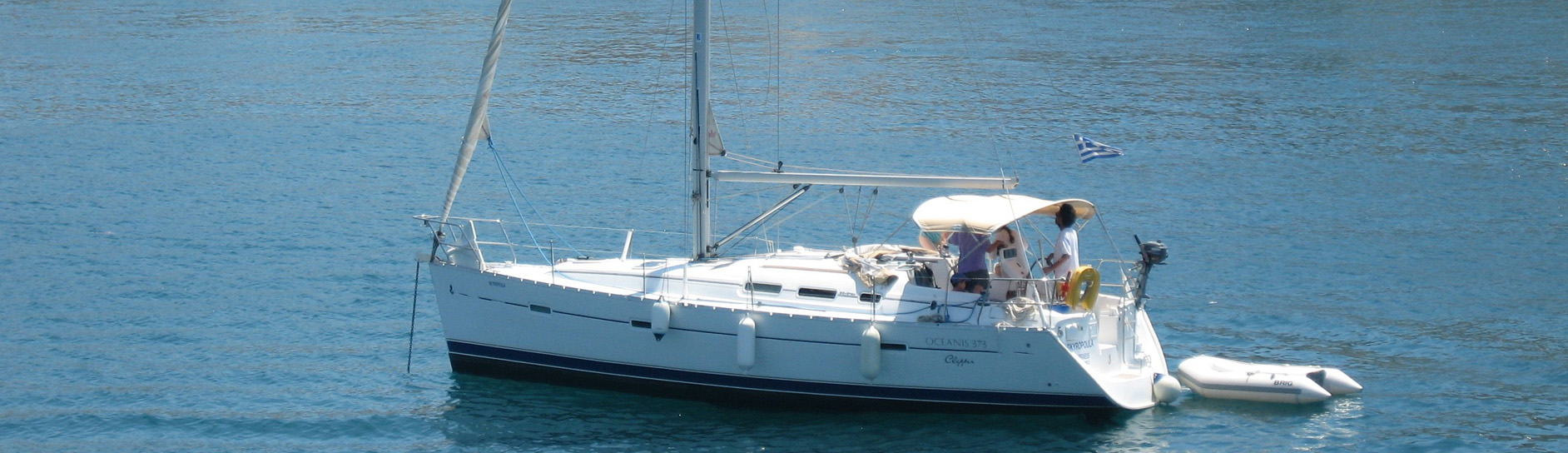
Poros is an island of the Saronic Gulf. It is known, among other things, for the great lemon tree forest on the coast of Galatas. In fact, there are two islands, Spheria and Kalavria, which separate a very small seaside channel.
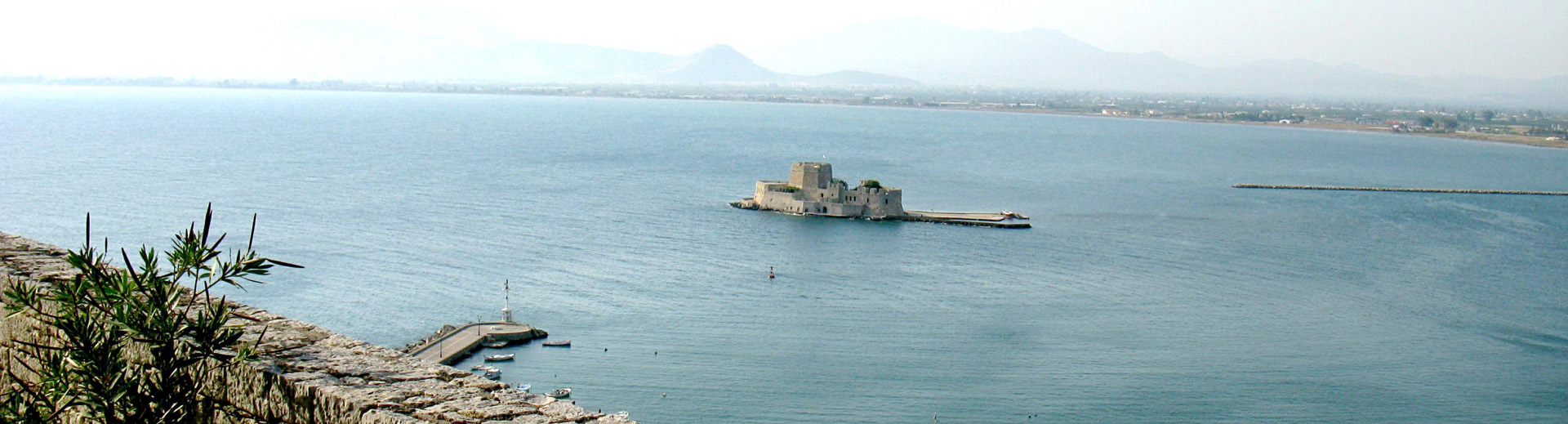
Nafplio is the capital of the Prefecture of Argolis It is one of the most picturesque cities in the country and was the capital of the Greek state during the period 1828 - 1833. Nafplio is known for Bourtzi, a small fort built on an islet in the harbor

Monemvasia is a small historical town in the eastern Peloponnese. It is more famous than the medieval fortress, on the homonymous 'Monemvasia Rock', which is literally a small island connected by a bridge to a formed neck of 400 meters total length with today's coast

The peninsula of Methana is known for its baths and volcanoes in the village of Kameni Chora. Together with the volcanoes of Milos, Santorini and Nisyros, Methana belong to the South Aegean volcano, which is associated with the most important geothermal fields of Greece.
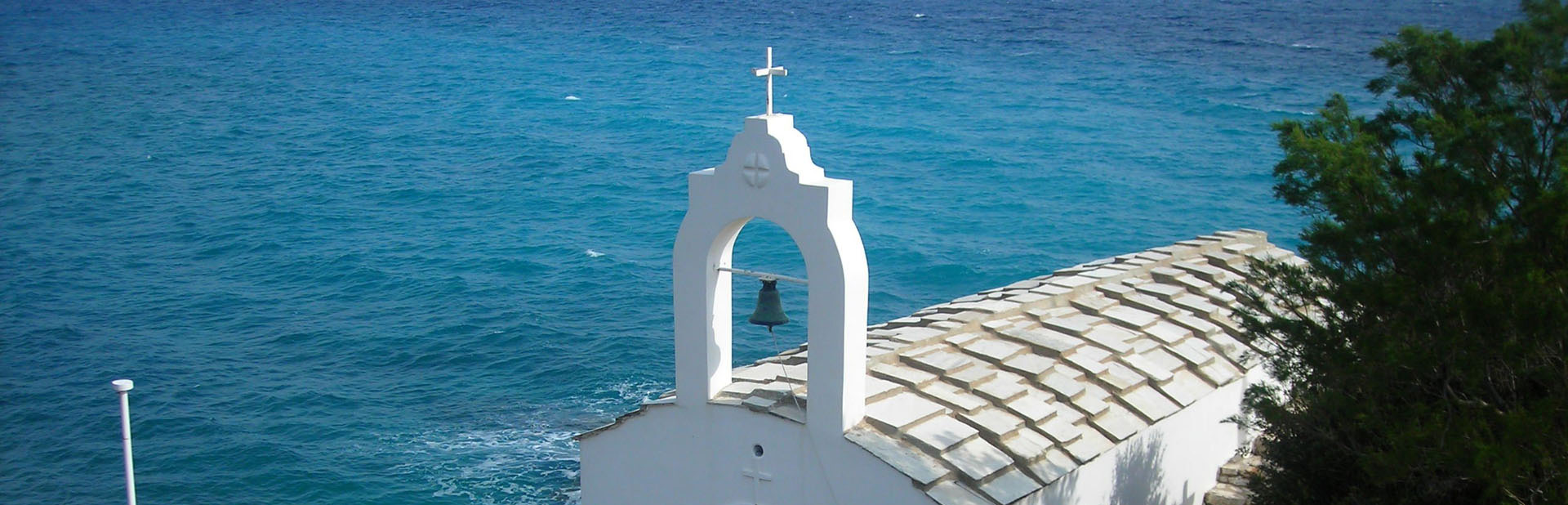
Kythira is an island located in southern Greece, south of the Peloponnese and south of Elafonisos and Cavo Malia. Citizens are mainly farmers. The main agricultural products are olive oil and honey.
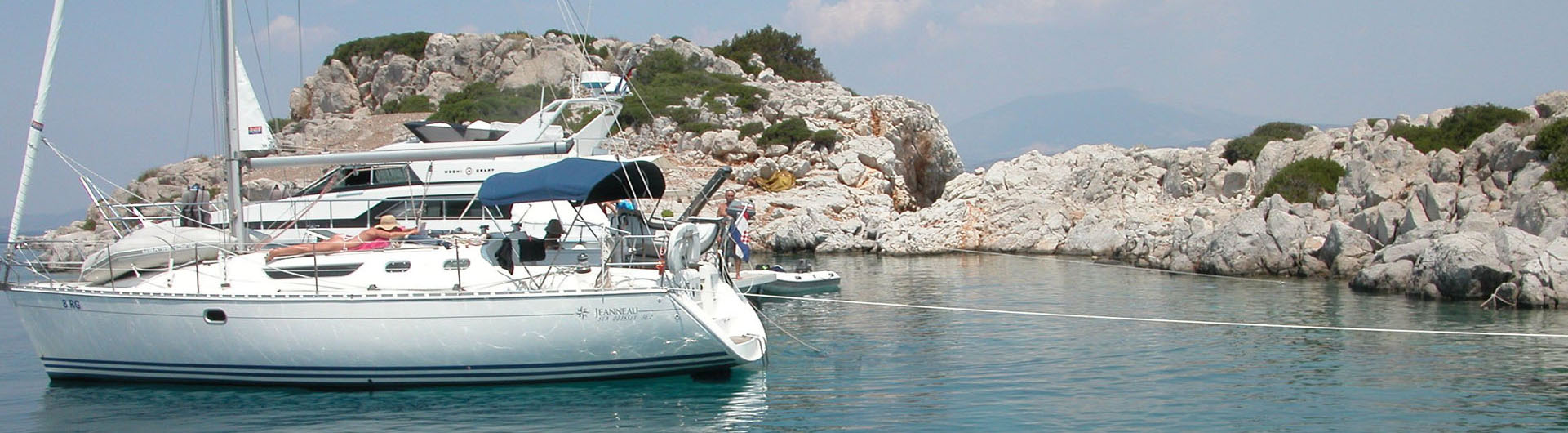
Hydra is an island of Argosaronikos A particularly popular destination for foreign tourists and Athenians, given its relatively short distance from the capital. It owes its name to the abundant waters that sprang from the rich springs it had during antiquity.

Elafonisos is located at the southeastern end of the Peloponnese. The island is a tourist attraction pole with a peak in August. It has an area of 19 square kilometers consisting of the village of Elafonisos and the settlements of Kapari, Kato Nisi, Lefki and Pounta.

Aegina is located in the center of the Saronic Gulf, surrounded by Agistri, Methana, Troizina, Poros and Piraeus. The island presents important sights such as the Temple of Aphaia, Paleochora, the remains of the temple of Hellenic Zeus. Famous beaches of the island are Marathonas and Agia Marina.
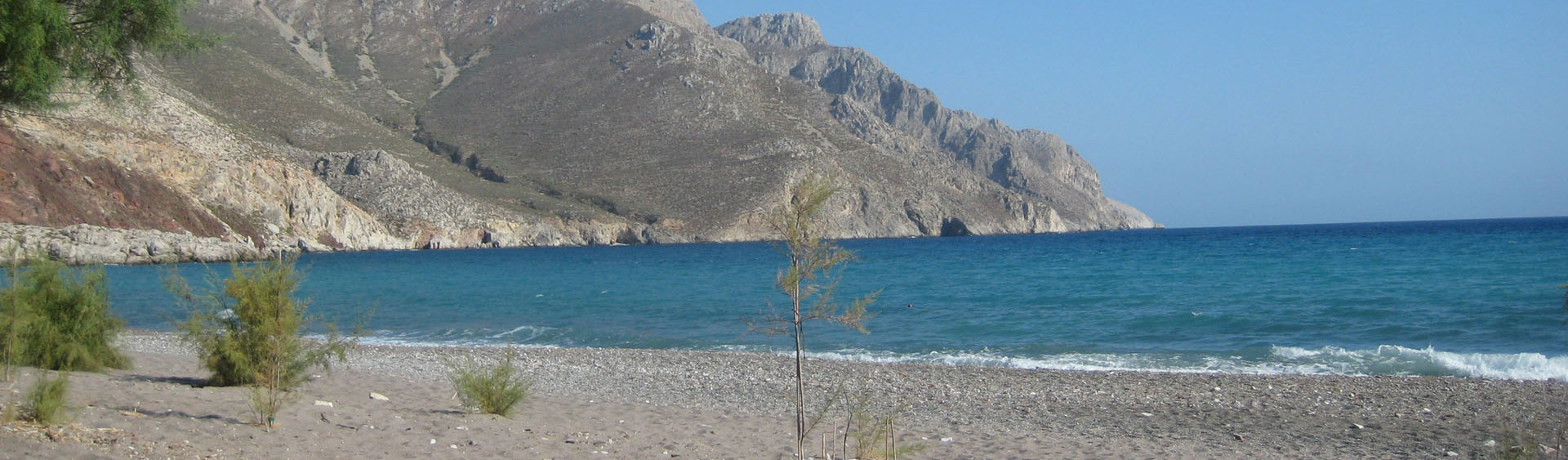
Tilos belongs to the Dodecanese. Its territory is mountainous and rocky with a small plain in its center, which ends at the beach of Eristos. The tourist infrastructure is concentrated in the areas of Livadia, Megalo Chorio, Eristo, Ag. Antonius and Plaka is also a beautiful beach on the northwest side of the island.
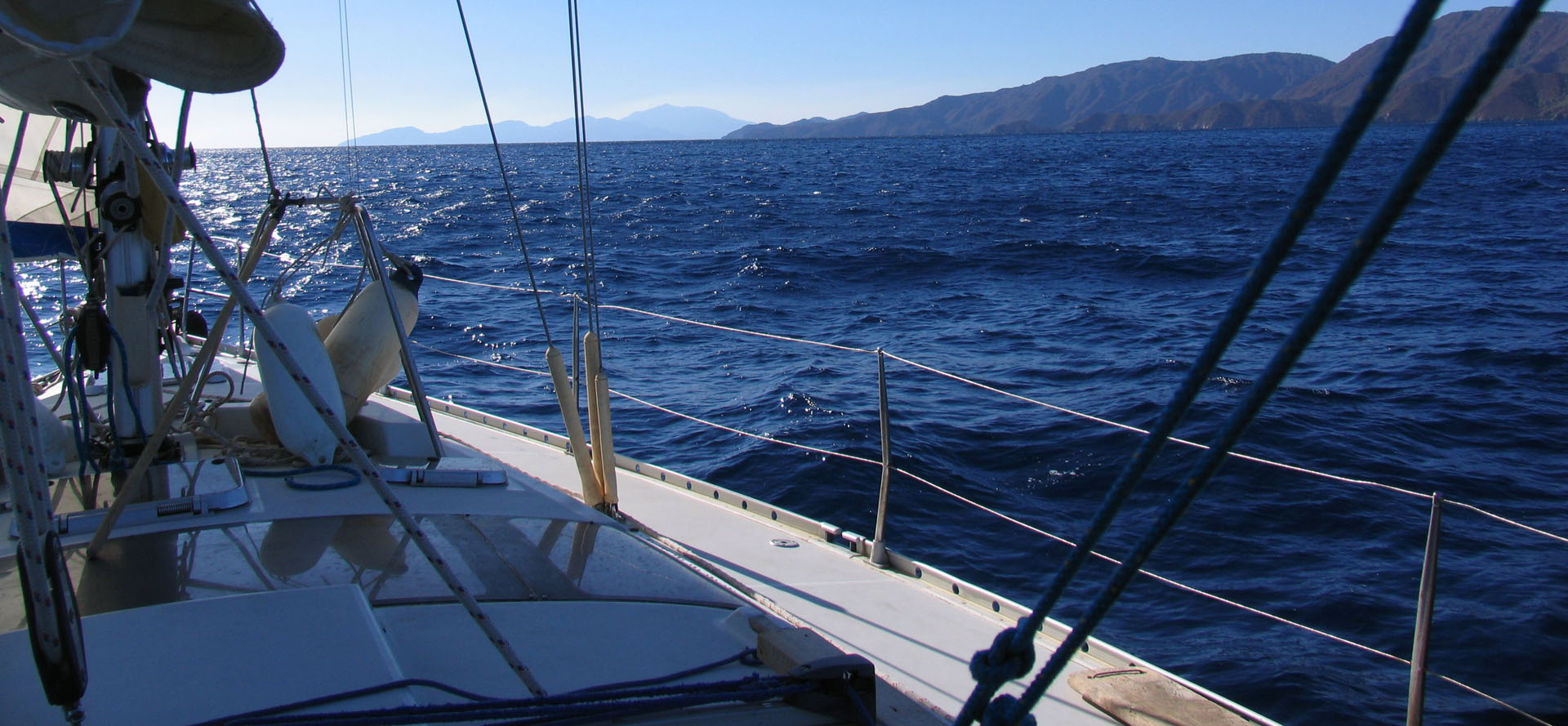
Symi is the eighth largest Greek island of the Dodecanese. The whole of Symi and the islets around it were declared archaeological sites by the Central Archaeological Council. The shores of Symi show many bays, capes and small ports.
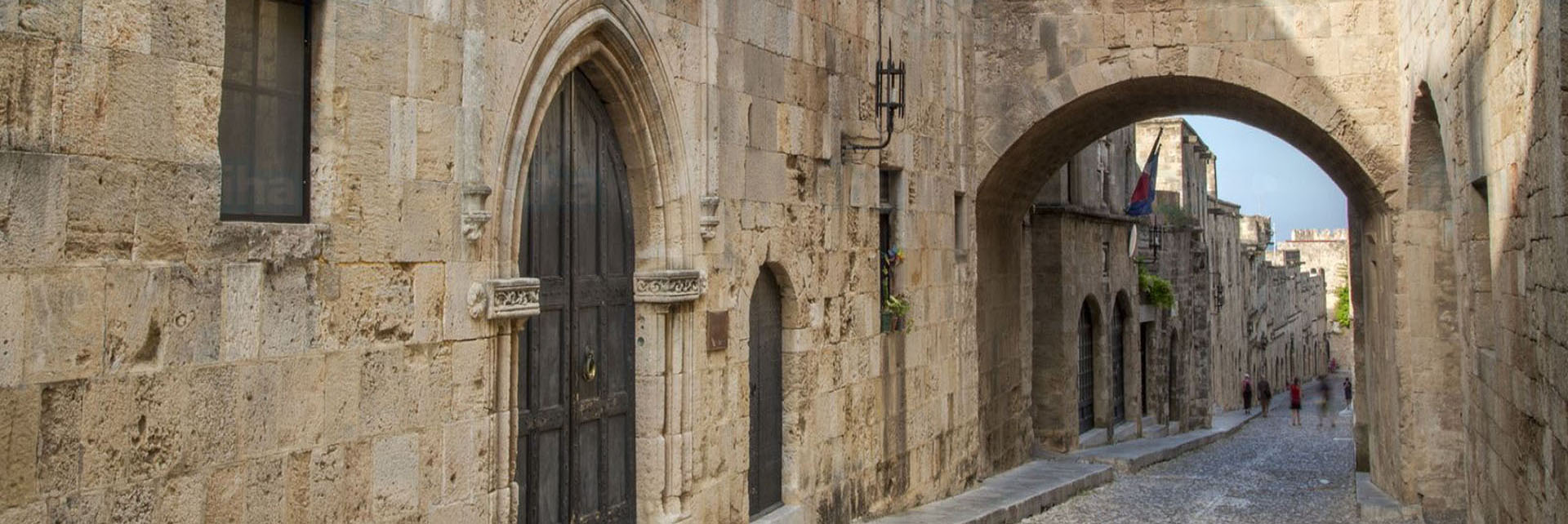
Rhodes is the largest island in the Dodecanese. It is the fourth in a row all over Greece and the ninth of the Mediterranean. To the west it is washed by the Aegean Sea and to the east by the Lykio Sea. It has a coastline of 253 km. The northeast corner of the island is the capital of the island, the city of Rhodes. Within the limits of the city of Rhodes is the Medieval city of Rhodes.
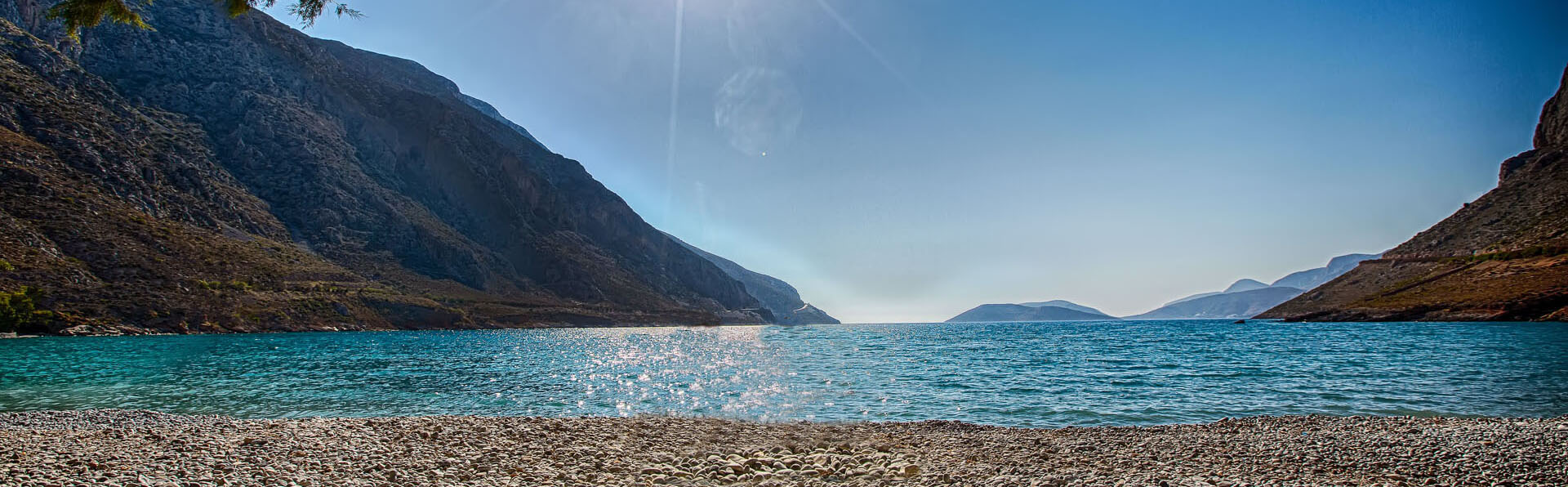
Pserimos is a small Greek island in the Dodecanese chain, The main occupation of the citizens of Pserimos is fishing and livestock farming. The most famous beaches of Pserimos are Vassiliki, Pserimos and Cape Koraki.
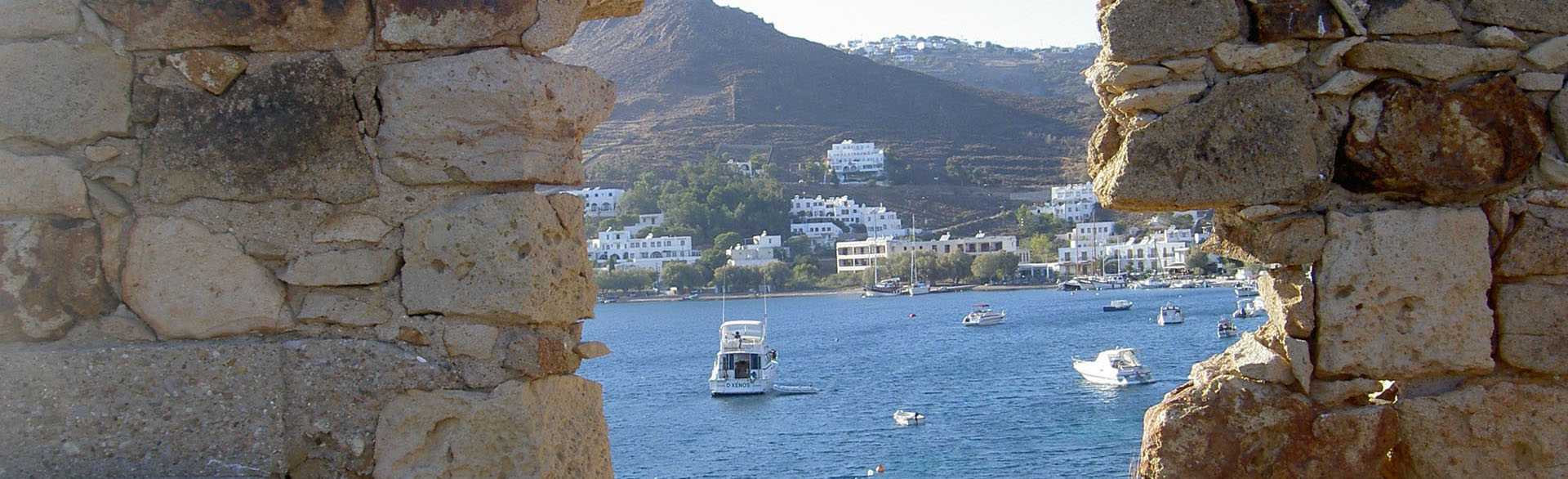
Patmos belongs to the Dodecanese, Patmos is a relatively small island with a maximum length of 10 miles and a maximum of 6 miles and a total coastline of 18 miles. Patmos in religious history has been known since the 1st century by the presence there as an exile for two years by John the Theologian, a student of Jesus, who was in the cave of Agia Anna writing the 'Evangelium' and 'Revelation'.
Nisyros is an island of the Dodecanese. Nisyros is a volcano. Most citizens are engaged in agriculture, fisheries and tourism. The volcano of Nisyros with the crater of Stefanos is one of the most important sights of the island.
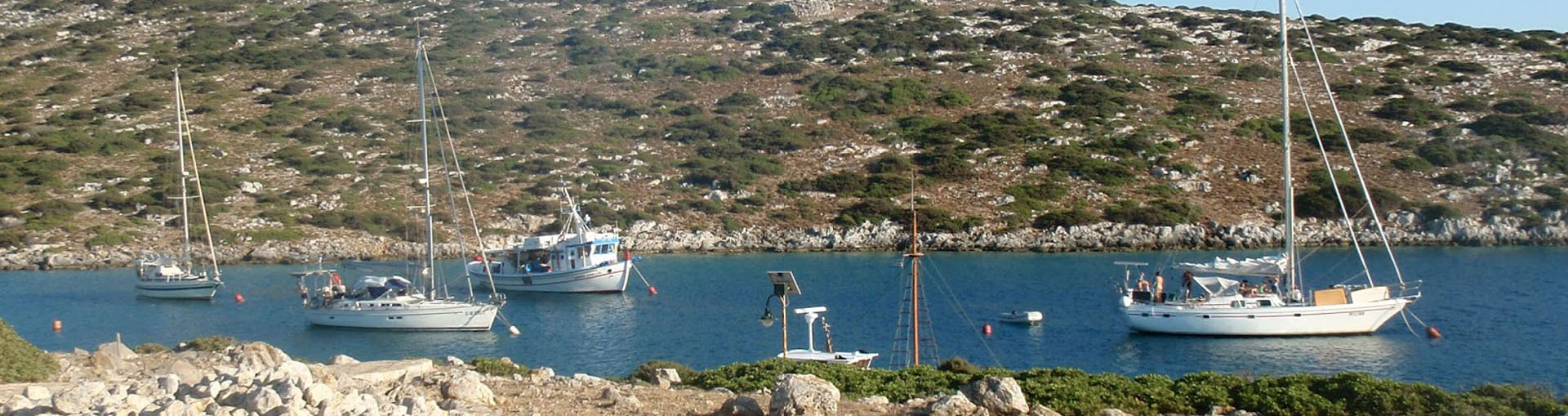
Levihta is an Aegean island located in the sea area between the Dodecanese and the Cyclades. It has heavily lacy shores in which deep bays are formed, resembling small fjords. The coves of the island provide a safe anchorage for passing boats.
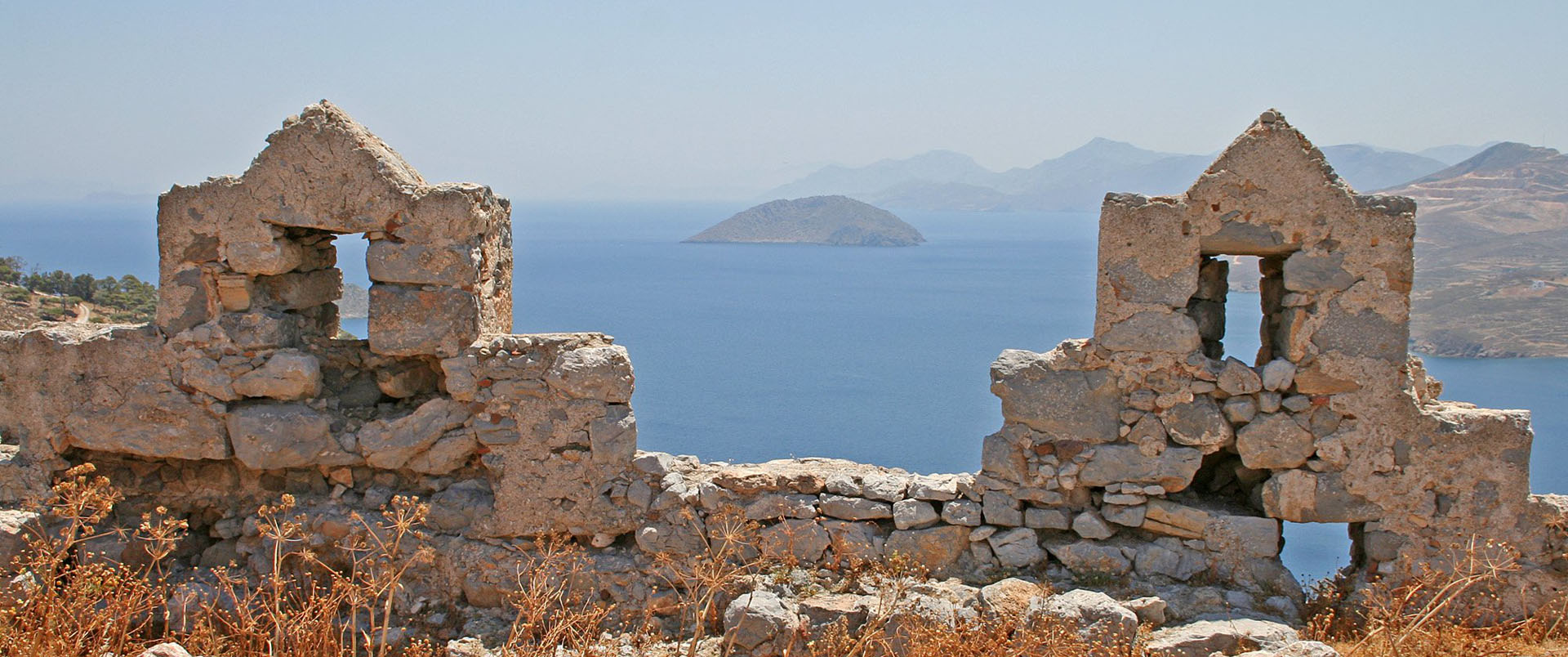
Leros is an island on the southeastern edge of the Aegean Sea in the Dodecanese. Τhe island of Leros has a lot of bays with the biggest bay of Lakios, the largest natural harbor in the eastern Mediterranean,
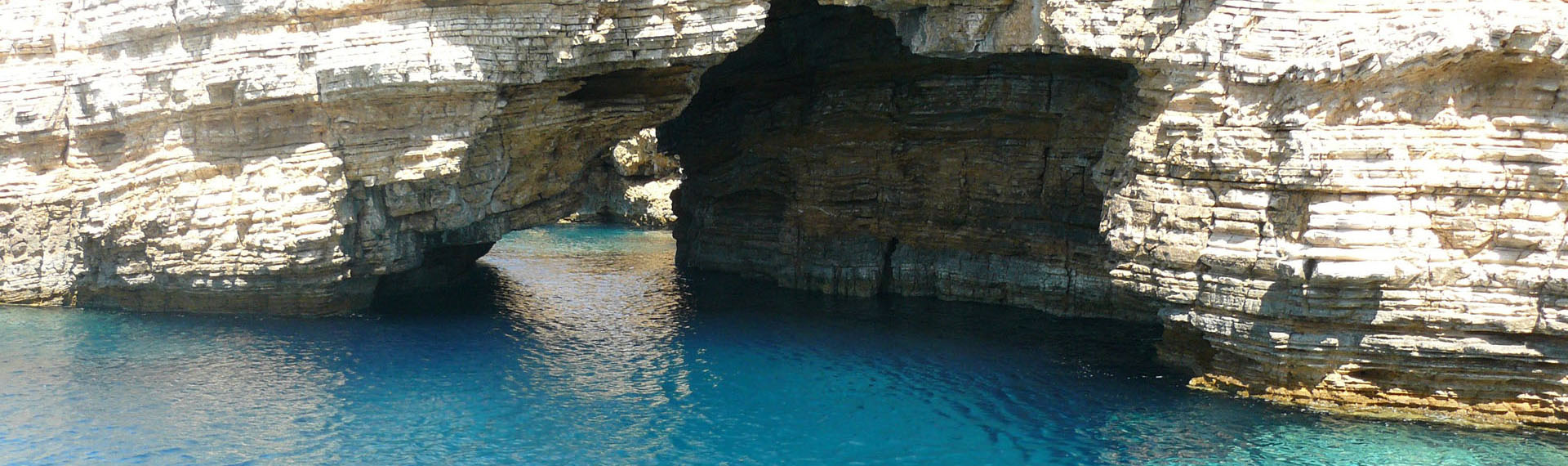
Lipsi is a cluster of 30 islands. The group of these small islands with a total area of 17,350 sq. Km include the islets: Arefousa, Manolis, Megalo Aspronissi, Makri Aspronissi, Mikro Aspronissi, Paploma, Kouloura, etc.
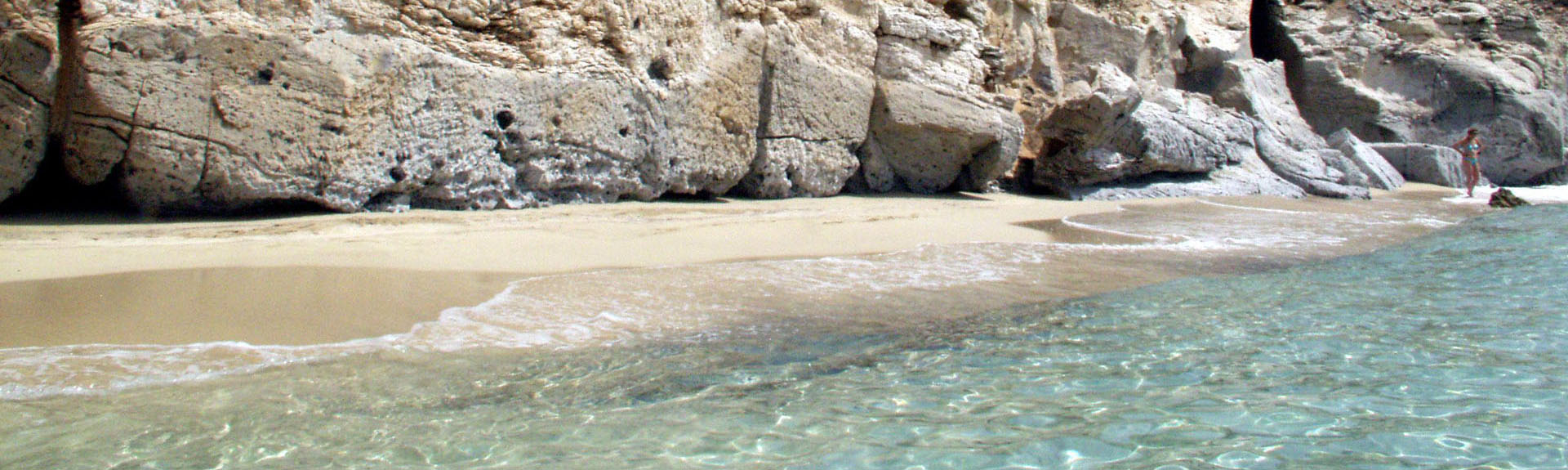
Kos is in the Dodecanese. It is rich in historical monuments island and presents remarkable archaeological and tourist interest. Kos is a modern tourist island with many facilities in terms of accommodation, food, sports, excursions, entertainment.
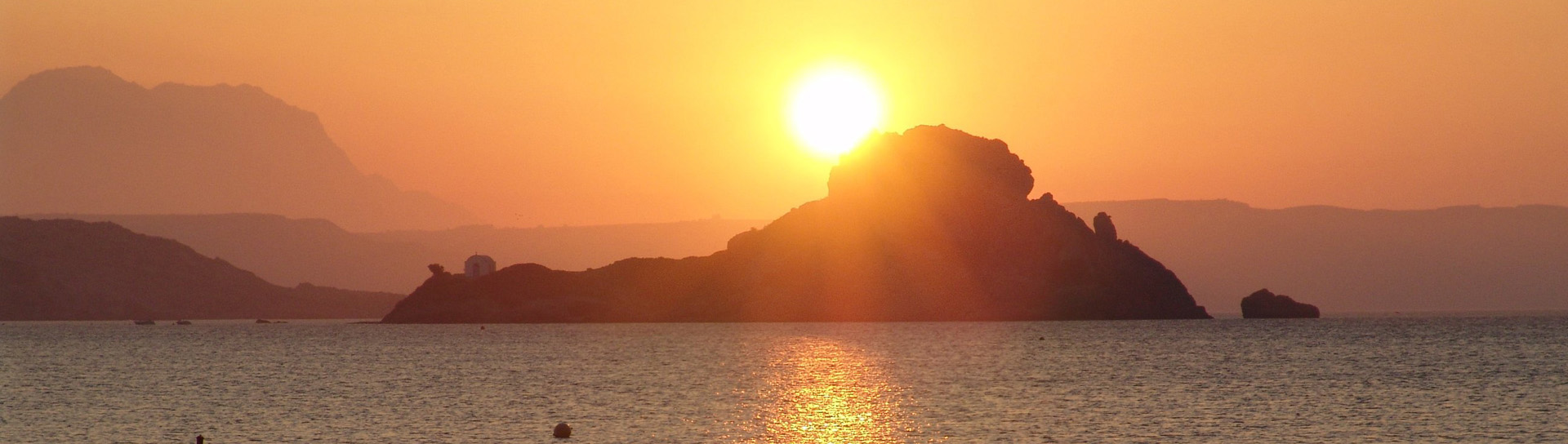
Kasos belongs to the Dodecanese. It has five villages: Agia Marina, Arvanitochori, Panagia, Poli and Fry (capital). Highest peaks of the mountains are Prion, Periolas and Korakas, followed by Sousphi, Troulles, Agios Georgios and Myrto.

Kalymnos is an island of the Dodecanese. The island's territory is a relatively stony mountainous plain with small plains. The coasts of Kalymnos form many cape, bays and harbors. The island was famed for the sponges.

Ikaria is a Greek island in the eastern Aegean. The capital and port of the island is Agios Kirykos. Ikaria is one of the largest islands of the eastern Aegean. Ikaria is characterized by wild beauty. Dense vegetation, high mountains, rivers, ravines, but above all its beautiful beaches.
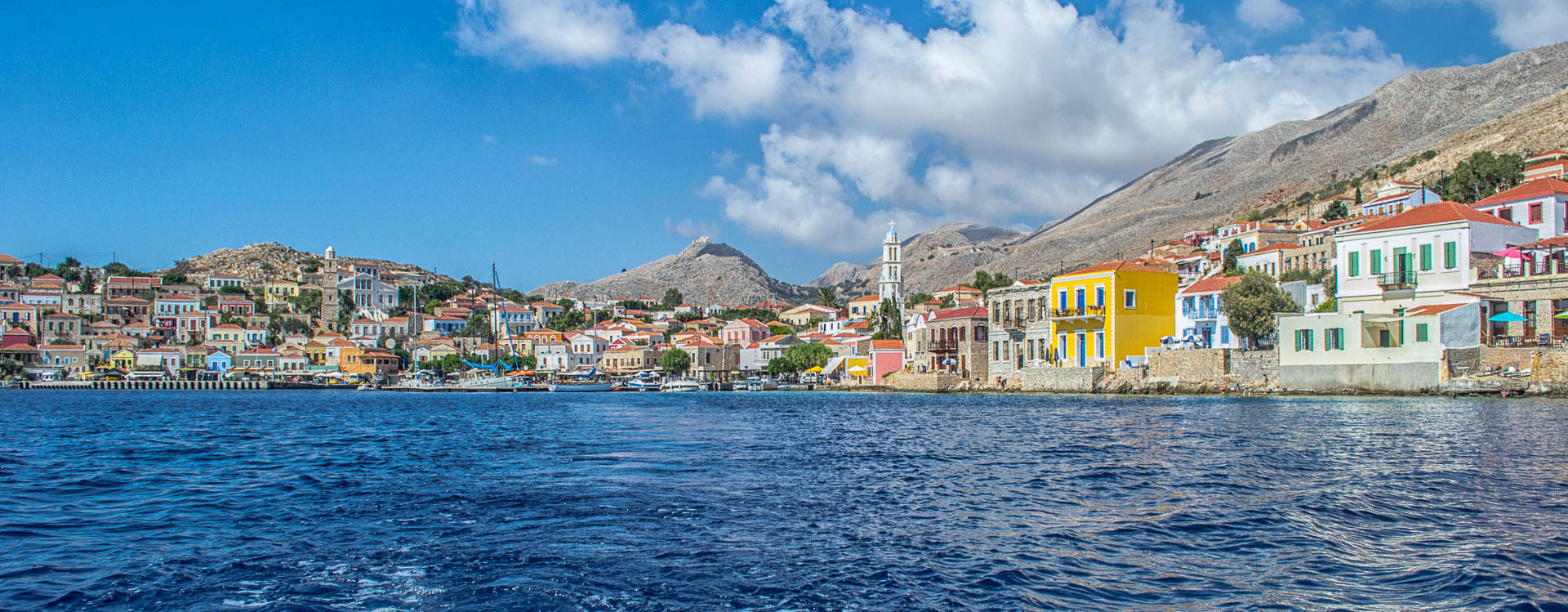
Chalki is an island of the Dodecanese. The territory of Chalki is semi mountainous and barren. The shores are steep and rocky with small sandy beaches mainly in the northern and southern parts of the island. The waters of the sea around the island are the most beautiful ones you have seen!

Astypalaia belongs to the Dodecanese, but geographically and culturally lies between the Dodecanese and the Cyclades. The coasts of Astypalea are rocky, with coves and beaches. A small strip of land about 100 meters, the Strait, divides the island into two parts in the middle and the outer island. In the southeast there are several small islands.
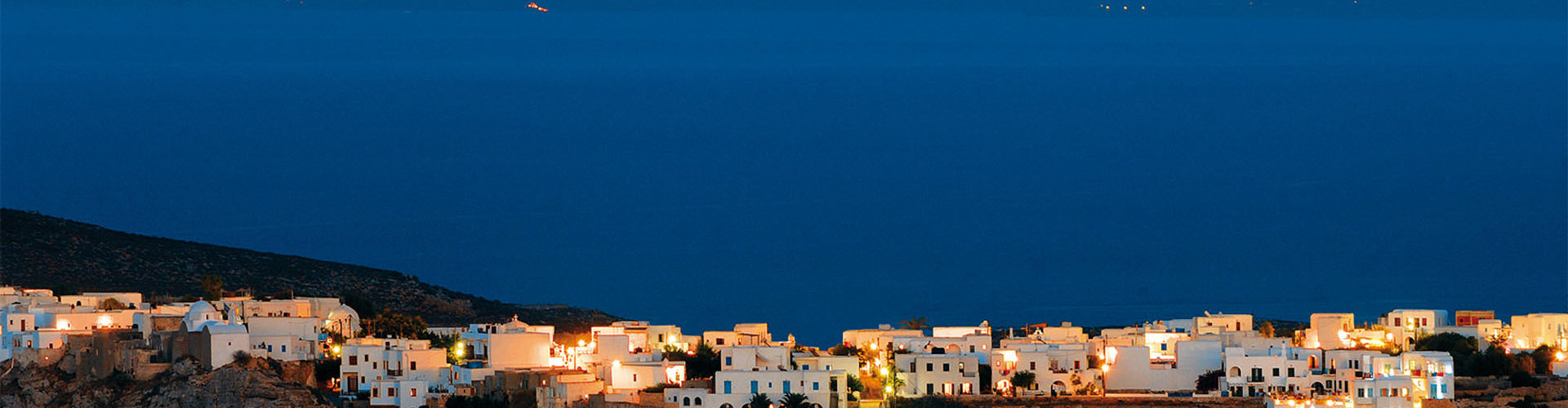
Folegandros is an island of the Cyclades and has two large settlements. The capital is Chora and Ano Meria. It has many beaches, most known of which are Livadi, Livadaki, Ambelia, Dendro, Avlaki, Latinaki, Katergo, Fira, Galfos and Ag. Nicholas.
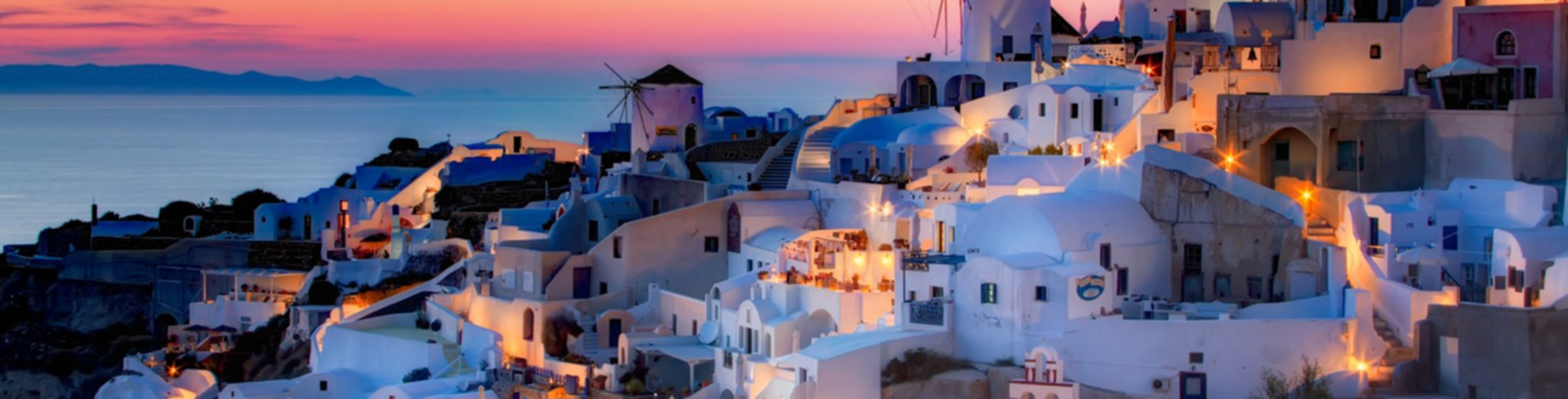
Santorini is an island of the Cyclades. She is known for her volcano. Santorini as well as the islands of Thirassia and Aspronissi are remnants of the volcanic island of Strongylis. The eruption of the volcano in 1613 BC and resulted in the creation of what we now call the Caldera of Santorini and the destruction of the prehistoric civilization of the island. The marine divide formed between Thira and Thirassia, which is 1.500 meters deep.

Tinos is the fourth largest island in the Cyclades. The overall length of the shoreline, with many bays and capes, is estimated to total 114 km.

Syros is an island of the Cyclades. The largest towns are Ermoupoli, Ano Syros, and Vari. Ermoupoli is the capital of the island and of the Cyclades.

Sounion is known for its important geographical position and also because of the ruins of the ancient temple of Poseidon located in it. In recent years, the wider region due to its environmental value was declared a national park. Named is the sunset from Sounio.

Sikinos is a Cycladic island of the Aegean Sea, has a coastline of 40 km. Around Sikinos there are the following islets, Avolada, Agios Georgios and Kardiotissa, Kalogeros with many rocks most important of which is Karavos.